
Spring in Melbourne means longer days and stronger sun — and it’s the last easy window to catch small solar issues before summer puts real pressure on your system. Whether you’re a homeowner or you manage a commercial rooftop, a quick maintenance check now can mean the difference between a system that performs at its best all summer and one that quietly underperforms while your bills climb.
Here’s what to check before the peak production months hit.

1. Clean Your Panels
Over autumn and winter, panels collect dust, pollen, sap, and bird droppings. It doesn’t take much — even a light film of grime can cut output by 10–25%. For most homes, a simple clean with water and a soft brush (or a professional clean if your roof is steep or hard to access) is enough to restore full production. For commercial sites with larger arrays, schedule a clean ahead of summer as part of your standard maintenance plan.
What This Actually Costs a Typical Household
Here’s the part most solar owners don’t realise until they look closely at their bill: the problem isn’t that you’re producing too much power. It’s that you’re producing it at the wrong time.
Say your system generates 6kWh of surplus power on a sunny spring day that you’re not using in real time. Without a battery, that power gets exported, and you’re paid somewhere between 0.3c and 1c per kWh — a few cents total for the whole day’s surplus.
That same 6kWh, stored and used that evening instead of being drawn from the grid, is worth whatever your retailer charges you per kWh at night — typically 25–35c. Store it and use it yourself, and you’re not earning a few cents; you’re avoiding a $1.50–$2.00 cost. Multiply that across a full spring and summer of long, sunny days, and the gap between “exporting for nothing” and “storing and self-consuming” adds up to real money — often the difference between a battery paying for itself and one that doesn’t.
This is exactly why spring and summer matter here. These are the months your system is generating the most surplus, which means they’re also the months you’re giving away the most if you don’t have somewhere to put it.
2. Check Your Inverter
Your inverter converts the DC power your panels generate into usable AC power for your home or business — and it’s often the first place a fault shows up. Warning signs include error lights, unusual noises, or a noticeable drop in daily output compared to the same time last year. Inverters typically need replacing every 10–15 years, so if yours is getting close to that mark, spring is a good time to have it assessed rather than risk a failure mid-summer.
3. Review Your Monitoring App
Most solar systems installed in the last several years come with a monitoring app that tracks daily and historical production. If you haven’t opened yours in a while, now’s the time. Look for:
– A sudden or gradual drop in output compared to previous years
– Any fault alerts or error codes
– Uneven production across strings or panels, which can point to shading, a faulty panel, or a wiring issue
If you don’t have monitoring set up, or you’re not confident reading it, it’s worth having a technician walk you through it — small issues are far easier to catch early than after months of lost production.
For Commercial & Industrial Sites: Don’t Forget Demand Charges
For warehouses and factories, an underperforming solar panel isn’t just a minor inefficiency — it’s paying full daytime demand charges you shouldn’t have to. Commercial systems tend to be larger, more complex, and more expensive to leave underperforming, which makes a pre-summer audit especially worthwhile. A proper rooftop solar audit checks not just panels and inverters, but how well your system is actually offsetting your peak daytime load — the load that costs the most.
Book a Professional Health Check
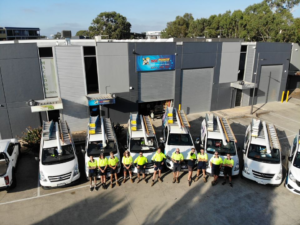
DIY checks catch the obvious issues, but a professional health check goes further—testing inverter performance, checking electrical connections, and confirming your system is generating what it should for its size and age. This is especially worth doing if:
– Your system is more than 3–5 years old and has never been serviced
– You’ve noticed a drop in production or a spike in your power bill
– You’re planning to add a battery or EV charger and want to confirm your existing system can support it
Why Now Matters
Spring’s longer days mean your system is ramping up toward its highest-output months. Any inefficiency you leave unaddressed now will cost you the most in the months when the sun—and your usage—are both at their peak. A quick spring check-up is far cheaper than months of lost production over summer.
Ready to make sure your system is pulling its full weight before summer? Max Power Electrical offers free solar health checks for both homes and businesses across Melbourne. Book yours today and head into the sunniest months of the year with confidence.


