
For most Melbourne businesses, summer means the biggest power bills of the year. Longer daylight hours, higher cooling loads, and steep demand charges hit at once — and for warehouses, factories, and office buildings, that cost often comes from usage in the middle of the day, when the sun is strongest. That overlap is exactly what makes commercial solar such a strong fit for industrial and commercial sites — if it’s sized and installed correctly.

Why Commercial Solar Isn't Just "Residential, But Bigger"
A home solar system is generally sized to offset a household’s overall electricity use. Commercial solar works differently. Because businesses are charged demand charges — fees based on the highest amount of power drawn at any point, not just total usage — a system needs to be designed around your actual load profile: when your equipment runs, when your cooling kicks in, and when your facility draws the most power. Get that sizing right, and solar can directly reduce the peak demand charges that make up a large share of your bill. Get it wrong, and you end up with a system that looks good on paper but doesn’t move the needle on your actual invoice.
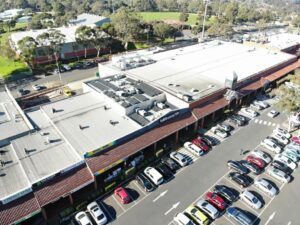
What a Commercial Solar Audit Looks At
Before recommending a system, a proper commercial energy assessment should look at:
– Your site’s load profile: when and how much power you draw throughout the day
– Roof space, orientation, and structural capacity for a commercial-scale array
– Current demand charges and where solar could offset your highest-cost hours
– Any existing solar (if you have some already) and whether it’s sized correctly for your current operations
This is different from a quick residential quote — it’s closer to an engineering assessment of your site’s energy use.
The Roof Your Already Paying For
Most warehouses and factories have large, flat, mostly unused roof space. That space is already part of your asset — you’re paying rates, insurance and maintenance on it whether it’s generating anything or not. A correctly sized commercial solar system turns that roof from a passive liability into an active part of your energy strategy, offsetting exactly the hours when your business is paying the most for power.
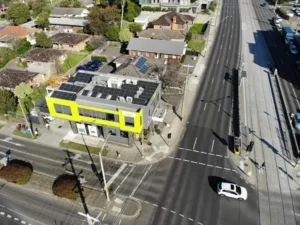
A Local Example
One Melbourne business recently installed rooftop solar sized specifically to its operating hours and saw a significant cut in daytime demand charges — the fastest-payback improvement on the entire site. The same roof that used to do nothing but keep the weather out now directly offsets the business’s highest-cost hours of the day.
Why Now, Before Summer
Commercial solar installs take longer to design and schedule than residential jobs — site assessments, structural checks and any required approvals all take time. Starting before summer gives your system the best chance of being operational before the season’s heaviest demand charges hit, rather than after you’ve already absorbed a summer’s worth of higher bills.
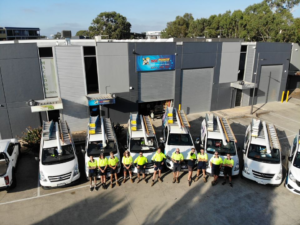
Getting Started
DIY checks catch the obvious issues, but a professional health check goes further—testing inverter performance, checking electrical connections, and confirming your system is generating what it should for its size and age. This is especially worth doing if:
– Your system is more than 3–5 years old and has never been serviced
– You’ve noticed a drop in production or a spike in your power bill
– You’re planning to add a battery or EV charger and want to confirm your existing system can support it
Getting Started
If you manage or own a warehouse, factory or commercial building in Melbourne, a free commercial energy assessment is the best first step. It costs nothing to find out what your roof could be worth — and what it could save you this summer.
Max Power Electrical designs and installs commercial and industrial solar systems across Melbourne. Book a free assessment today to see what your site could save before summer demand peaks.


