
The federal battery rebate drops on 1 January 2027. If you’re a Melbourne homeowner or business owner considering a solar battery, your installation date will determine how much you save.
The good news is the rebate isn’t going away. It’s just getting smaller, and it will keep shrinking every six months until 2030. In this guide, we explain what’s changing, how much it affects different battery sizes, and whether it’s worth trying to get your battery in before the new year.
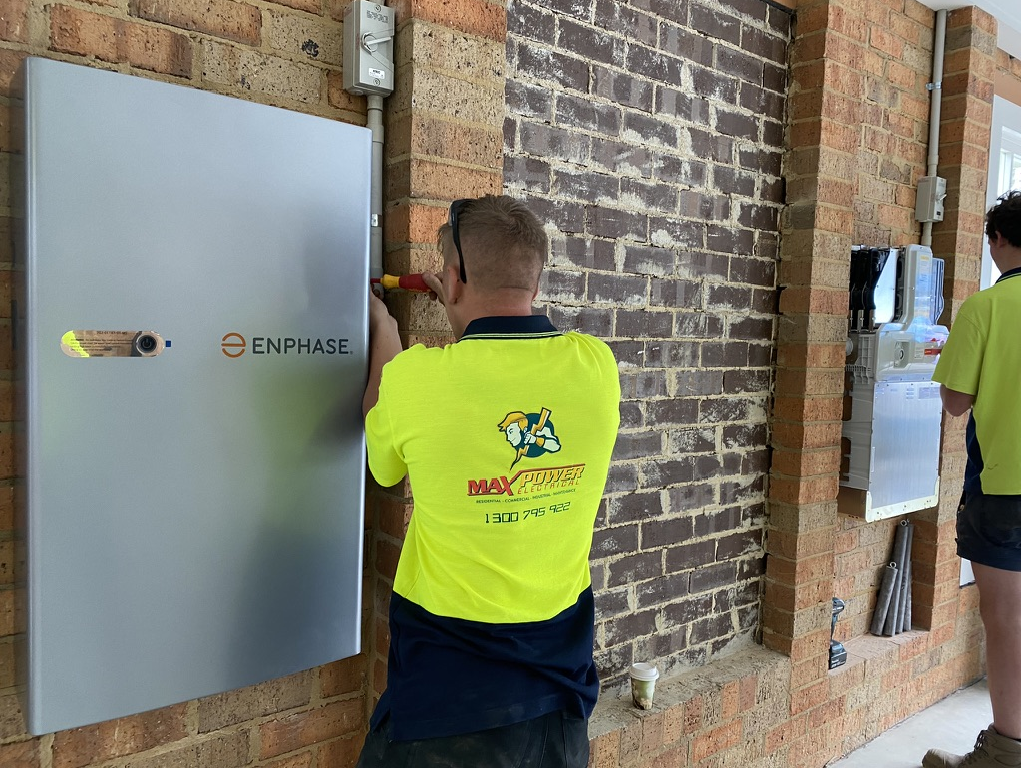
How the Cheaper Home Batteries Program works now
The Cheaper Home Batteries Program is the federal government’s battery rebate. It started on 1 July 2025 and takes around 30% off the upfront cost of an eligible battery. Households, businesses and community organisations can all use it. The Cheaper Home Batteries Program is the federal government’s battery rebate.
The discount comes off your quote up front, so you don’t have to claim anything yourself. It works like this:
- Your battery earns small-scale technology certificates (STCs) based on its usable capacity (how much stored energy you can actually use).
- Your installer sells those certificates and takes the value off your invoice.
- The number of certificates per kWh is set by the “STC factor”. From May to December 2026, the factor is 6.8.
Since 1 May 2026, the rebate has also been tiered by battery size. The first 14 kWh of usable capacity gets the full rate. Capacity between 14 and 28 kWh gets 60% of the rate, capacity between 28 and 50 kWh gets 15%, and anything above 50 kWh gets nothing.
To qualify, your battery has to:
- be between 5 kWh and 100 kWh (nominal capacity)
- be connected to new or existing solar panels (a battery that only charges from the grid doesn’t qualify)
- be on the Clean Energy Council’s approved list and installed by an accredited installer
- be capable of joining a virtual power plant (VPP), although you don’t have to join one
There is no separate state battery rebate in Victoria. The Solar Victoria battery loan closed in 2025, so the federal rebate is now the main help available to Melbourne homes and businesses.
What changes from 1 January 2027
On 1 January 2027, the STC factor drops from 6.8 to 5.7 certificates per kWh. That means every battery earns fewer certificates, so the discount gets smaller. The size tiers stay the same.
Here’s roughly what that looks like at an STC price of $40:
Usable battery size | Max discount if installed by 31 Dec 2026 | Max discount if installed from 1 Jan 2027 | You’d miss out on |
5 kWh | $1,360 | $1,120 | $240 |
10 kWh | $2,720 | $2,280 | $440 |
15 kWh | $3,960 | $3,320 | $640 |
20 kWh | $4,760 | $4,000 | $760 |
These are estimates. STC prices move with the market, and some retailers keep a small admin fee, so your actual discount may be a bit lower.
After January,y the rebate keeps going down every six months. The factor falls to 5.2 in July 2027, then keeps dropping until it reaches 2.1 in the second half of 2030, when the program ends.
The date that counts is the installation date, not the day you sign the quote. Your battery is officially “installed” when the electrician issues the certificate of electrical compliance. If you sign in December but the battery goes in on 5 January, you get the lower 2027 rate.
There could be more changes on top of the scheduled one. In November 20,26 it was reported that Treasury is looking at ways to scale back the program in the government’s mid-year budget update. Nothing has been confirmed, but any changes would be on top of the January cut.
What it means for Melbourne households
For a typical family home with a 10 to 14 kWh battery, the January change works out to roughly $400 to $600 less off the price. That’s real money, but it shouldn’t be the only reason you rush into a battery.
A battery makes the most sense if:
- you already have solar, and you’re sending a lot of power back to the grid for a small feed-in credit
- you use a lot of power in the evening, when rates are high; you have an EV, or plan to get one, and want to charge it from stored solar
- you want backup power during outages (this usually needs an extra backup gateway, so ask about it when you get a quote)
Size matters more than ever. Because the rebate is tiered, the first 14 kWh gets the best value. Going much bigger means each extra kWh earns less, so it pays to get a battery that suits how your household actually uses power.
What it means for Melbourne businesses
The rebate isn’t just for homes. Businesses and community organisations can use it too, as long as the battery is between 5 kWh and 100 kWh and is connected to solar panels under 100 kW.
Businesses usually need larger batteries, so the January change hits harder. On a 20 kWh battery, the estimated discount drops by around $760. At 50 kWh or more, the difference is over $1,100.
A battery is worth a look if your business:
- already has solar and runs into the late afternoon or evening, like a café, gym, clinic or retail shop
- pays demand charges for using a lot of power at once
- runs fridges, freezers or equipment that you need to keep going during outages
- charges fleet vehicles on site
Remember that only the first 50 kWh of usable capacity earns certificates. If you’re looking at a bigger system, we can help you work out the best size for the rebate and for your power use.
Should you install before January?
If you were already planning to get a battery in the next year, getting it installed before 31 December 2026 locks in the higher rate. Every six months you wait, the rebate gets smaller.
But don’t rush into a battery you don’t need just to beat the deadline. A rushed job, or a battery that’s the wrong size, will cost you more over time than a few hundred dollars of rebate.
Before you go ahead, keep a few things in mind:
- Installers are busy. Demand always spikes before a rebate drops, and December also brings the Christmas shutdown. Book early and get your install date confirmed in writing.
- Check your existing setup. Some older solar inverters can’t connect to a battery or aren’t VPP-capable, and your switchboard may need an upgrade. It’s better to find this out early.
- Get the size right. A good installer should look at your power bills and solar output before recommending a battery size.
- Missed the deadline? A battery can still be a good investment in 2027. The rebate is smaller but still worthwhile, and electricity prices aren’t getting any cheaper.
Talk to Max Power about your battery.
At Max Power Electrical, we help Melbourne homes and businesses get more out of their solar. We can check your switchboard, solar system, and inverter; recommend a battery that suits your power use; and handle the installation and compliance paperwork. The rebate comes straight off your invoice.
We can also pair your battery with a smart EV charger, so your car runs on stored sunshine instead of grid power.
Want to beat the January cut? Get in touch with our team today to book an assessment and lock in your install date while there’s still time.


