
Think switching to an all-electric home means replacing everything at once? It doesn’t.
For many Melbourne homeowners, going all-electric sounds like a major project: removing gas heating, replacing the hot water system, installing solar panels, adding a battery, upgrading the switchboard, and potentially changing cooking appliances — all at once.
That perception alone can make electrification feel expensive and complicated.
But in reality, going all-electric can be staged.
Many households can start with the upgrade that makes the most sense today, then progressively electrify other parts of the home as existing appliances reach the end of their life, budgets allow, or energy needs change.
At Max Power Electrical, we regularly speak with homeowners who want to reduce their reliance on gas and rising energy prices but aren’t sure where to begin.
The good news is that there isn’t one correct starting point.
Depending on your home, you might begin with reverse-cycle heating and cooling, heat-pump hot water, solar panels or a home battery. The important part is developing a plan so that each upgrade works with the next.
Why Are Melbourne Homes Moving Towards All-Electric?
The traditional Melbourne home may use a combination of electricity and natural gas for heating, hot water and cooking.
Electrification involves progressively replacing gas appliances with efficient electric alternatives and, where practical, producing and storing some of that electricity at home.
A fully electric home might eventually include:
- Reverse-cycle heating and cooling
- Heat-pump hot water
- Induction cooking
- Rooftop solar
- Home battery storage
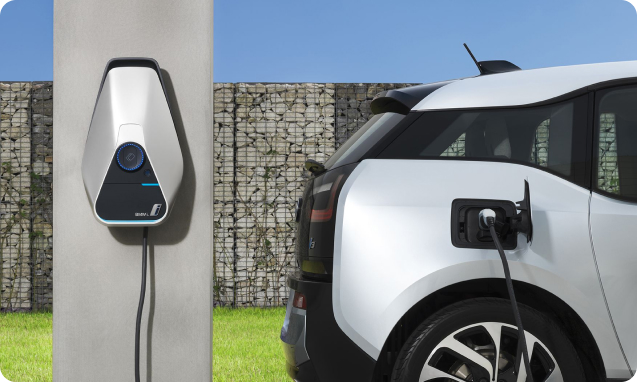
- EV charging
- An appropriately sized switchboard and electrical supply
The goal isn’t simply to replace gas appliances with electric ones.
It’s to create a more integrated home energy system in which efficient appliances, solar generation, and battery storage can work together.
And you don’t necessarily need every component on day one.

Myth #1: "Going All-Electric Is All-or-Nothing"
This is probably one of the biggest misconceptions surrounding home electrification.
You don’t need to renovate your entire house to get started.
In fact, a staged approach can make a lot of sense because different appliances have different replacement cycles.
For example, if your ageing gas-ducted heating needs replacing but your gas hot water system is still relatively new, you might start by installing efficient reverse-cycle heating and cooling.
Later, when the hot water system needs replacing, you could move to a heat pump.
Solar and battery storage can then be incorporated based on your electricity consumption, roof space, and budget.
Instead of asking:
“Can I afford to electrify my entire house today?”
A more useful question can be:
“What is the smartest first step for my home?”
What Does a Staged All-Electric Upgrade Look Like?
Every property is different, but one possible pathway looks like this.
Stage 1: Upgrade Heating and Cooling
For many Melbourne households, heating represents a significant component of household energy consumption.
That’s why replacing older gas heating with efficient reverse-cycle air conditioning can be a logical starting point.
Modern reverse-cycle systems provide both heating and cooling from the same appliance.
Depending on the property, this might involve installing several split systems throughout the house or designing another heating and cooling solution around the home’s layout.
Making this change first can also allow homeowners to reconsider how they heat the property.
Instead of heating every room regardless of whether it is occupied, individual split systems can provide greater control over which areas are heated or cooled.
Stage 2: Replace Hot Water with a Heat Pump
Hot water is another major household energy load.
Rather than waiting for an old gas or electric storage system to fail unexpectedly, homeowners can plan ahead and investigate whether a heat-pump hot water system is suitable.
Heat pumps operate differently from traditional resistive electric hot water systems. Rather than generating all their heat directly from an electrical element, they use electricity to transfer heat from the surrounding air into the water.
For eligible Victorian households and systems, available incentives may also reduce the upfront cost.
If your hot water unit is approaching the end of its life, this is an ideal time to investigate your options rather than automatically replacing it with the same technology.
Stage 3: Install or Expand Solar
Solar can be installed at virtually any point in the electrification process.
However, electrifying more of the home’s energy consumption can change how valuable your solar generation becomes.
Once heating, cooling and hot water are using electricity, your household has more electrical load that solar can potentially offset.
The appropriate solar system size will depend on factors including:
- Current electricity consumption
- Planned future electrification
- Roof orientation and available roof space
- Shading
- Household occupancy patterns
- Whether you’re planning to purchase an EV
- Whether battery storage is planned
- Your electrical supply and switchboard capacity
This is why it can be useful to think several years ahead when designing a solar system.
A household planning to install a heat pump for hot water, electric heating, and an EV may have very different future electricity requirements from the same household today.
Myth #2: "My Roof Isn't Perfect, So Solar Isn't Worth Considering"
Not every Melbourne house has a large, completely unshaded north-facing roof.
Fortunately, that doesn’t automatically rule out solar.
Roof orientation, pitch, shading, and usable area all affect solar system design and expected generation. A professional assessment can determine how to position panels and what level of generation is realistically achievable.
East- and west-facing panels, for example, can also be useful depending on when the household consumes electricity.
Rather than deciding that your home “isn’t suitable for solar” based purely on roof direction, it’s worth having the property properly assessed.
The answer may simply be a different system size or panel layout.
Stage 4: Add a Home Battery
Once solar is installed, battery storage becomes another option.
Without a battery, surplus solar electricity that the home isn’t using can generally be exported to the grid.
A battery lets you store some of that excess electricity for later use.
For example, your solar system might generate significant electricity around midday when nobody is home. The battery can store part of that generation and make it available in the evening, when the household’s electricity consumption increases.
The economics of batteries depend heavily on the individual household, including electricity consumption, solar generation, battery capacity, tariffs, available incentives, and how the battery is operated.
For some homeowners, participation in a Virtual Power Plant (VPP) may also be worth investigating.
Don’t Forget the Switchboard
One of the most important parts of electrification is also one of the least exciting: your electrical infrastructure.
As more of the home moves from gas to electricity, your electrical system needs to support those loads safely.
Depending on the age and condition of your home, electrification may involve:
- Switchboard upgrades
- Safety switch upgrades
- Additional circuits
- Electrical load assessments
- Three-phase power upgrades
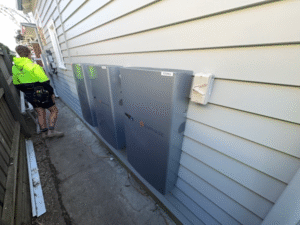
- Solar and battery integration
- EV charger preparation
This doesn’t necessarily mean every all-electric home requires three-phase power or a major switchboard replacement.
It means you should consider these requirements before installing multiple appliances.
At Max Power Electrical, we can assess the existing electrical infrastructure early in the process, so we can incorporate potential upgrades into the overall plan rather than having them surface as an unexpected issue later.
Myth #3: "The Upfront Cost Isn't Worth It"
Looking only at the total cost of electrifying an entire home can make the numbers seem daunting.
But that’s another reason a staged approach can be useful.
Instead of paying for every upgrade simultaneously, homeowners can prioritise improvements based on factors such as:
- The age of existing appliances
- Current gas and electricity consumption
- Available rebates and incentives
- Upfront budget
- Expected energy savings
- Existing solar generation
- Plans such as purchasing an EV
- Renovation or extension plans
The financial calculation should also consider the cost of not upgrading.
If an old gas heater, hot water service, or air conditioner needs replacing anyway, the relevant comparison isn’t necessarily the full price of the new system.
It’s the difference between replacing the existing appliance with similar technology and choosing a more efficient alternative.
That can significantly change the economics.
What Rebates Are Available for Melbourne Homeowners?
Government rebates and energy incentives can substantially affect the upfront cost of electrification, but programs, eligibility requirements and rebate values can change.
At the time of writing, Melbourne and Victorian homeowners may be able to investigate incentives associated with areas such as:
Federal Home Battery Support
The Federal Government’s Cheaper Home Batteries Program can reduce the upfront cost of eligible home battery installations.
The value depends on the battery and applicable program rules, and support is scheduled to decrease over time.
For homeowners already considering battery storage, it is worth checking the current incentive rather than relying on figures from an old quote.
Victorian Solar Homes Incentives
Eligible Victorian households may be able to access support through the Solar Homes Program for qualifying solar installations.
Eligibility conditions apply, including household and property requirements.
Heat-Pump Hot Water Incentives
Eligible heat-pump hot water installations may attract support through Victorian programs, including incentives that can sometimes be combined depending on the system and household eligibility.
Because rebate programs change, always check the current eligibility requirements and available amounts before making a purchasing decision.
If Max Power Electrical previously prepared an assessment or quote for you, it’s also worth requesting updated figures. Changes to rebates, equipment pricing, or your household energy usage can alter the numbers.
Myth #4: "I'll Just Wait Until the Rebates Get Better"
Waiting can sometimes be sensible — but homeowners shouldn’t assume future incentives will automatically be more generous.
Government programs change.
Rebates can be reduced, eligibility criteria can be tightened, and programs can be closed or replaced.
Battery incentives are a good example. Federal battery support is designed to step down over time, so delaying an installation purely in hopes of a larger rebate could have the opposite effect.
That doesn’t mean everyone should rush out and install a battery.
It means basing decisions on your home’s actual energy needs and the incentives available to you now, rather than assuming a better rebate will arrive later.
Which All-Electric Upgrade Should You Do First?
There isn’t a universal answer.
If your gas heater is nearing the end of its life, heating and cooling might be the obvious next step.
If your hot water system is old and inefficient, a heat pump could come first.
If you have a large electricity bill and a suitable roof but no solar, rooftop solar may deserve priority.
If you already have a substantial solar system and export significant excess generation during the day, battery storage may be worth assessing.
That’s why an all-electric home assessment should consider the whole property, not just one appliance.
Planning Can Save You from Doing Things Twice
Even if you only want to complete one upgrade today, tell your electrician what you might want to do later.
For example:
“We’re installing solar now, but we’re thinking about a battery and EV in the next few years.”
That information can influence system design.
Likewise:
“We want to replace the gas heating now and eventually remove gas completely.”
Knowing the long-term objective lets you consider electrical infrastructure and future energy needs from the start.
A good electrification strategy isn’t necessarily about doing everything now.
It’s about making sure what you install now doesn’t make the next upgrade unnecessarily difficult or expensive.
What Could Your Future All-Electric Home Look Like?
Imagine starting with an older Melbourne home using gas heating, gas hot water, and grid electricity.
The transition might happen over several years.
First, replace the ageing gas heater with efficient reverse-cycle heating and cooling.
When the hot water unit reaches the end of its life, it’s replaced with a heat-pump system.
Solar is installed or expanded to help offset the household’s increased electricity consumption.
Later, a battery is added to store surplus solar generation for evening use.
An EV arrives, and home charging is incorporated into the electrical system.
Eventually, the final gas appliance is removed, and the gas connection may no longer be required.
Instead of one enormous project, the transition has happened through a series of planned upgrades.
That’s what going all-electric can look like in practice.
Start with an All-Electric Home Assessment
If you’re considering electrifying your Melbourne home, you don’t need to know exactly which system you need before contacting us.
That’s what the assessment is for.
The Max Power Electrical team can review your existing appliances, electricity consumption, solar potential, and electrical infrastructure to help determine which upgrades make sense and in what order.
Whether you’re considering:
- Reverse-cycle heating and cooling
- Heat-pump hot water
- Solar panels
- Home battery storage
- Virtual Power Plant participation
- Switchboard upgrades
- Three-phase power
- EV charging
- Or a complete all-electric home strategy
We can help you build a practical pathway based on your property and plans.
You Don’t Have to Go All-Electric Overnight
The biggest takeaway is simple:
Going all-electric doesn’t have to be all-or-nothing.
You can start with one appliance.
You can plan the next upgrade for a year or two from now.
You can install solar today and investigate battery storage later.
Or you can develop a complete electrification plan now and implement it progressively as existing appliances need replacing.
What matters is having a plan.
Ready to work out the best first step for your Melbourne home?
Contact Max Power Electrical for a free home energy assessment. We’ll assess your existing setup, discuss where you want to take your home and explain the practical options available.
Call Max Power Electrical on 1300 795 922 or book your free home energy assessment online.


