
Running Costs, Government Rebates & Why 2026 Is the Year to Switch
Your home’s heating and cooling accounts for around 40% of your total energy bill. That decision, ducted gas or reverse-cycle split system, matters more than almost anything else in your home. And in 2026, the answer is clearer than ever.
Gas prices across Victoria have climbed 15 to 25% since 2022 and are forecast to keep rising. Meanwhile, electricity from a well-matched solar system is getting cheaper, and the government rebate stack for switching has never been more generous.
This guide walks through everything Melbourne homeowners need to know.
Running Costs: What You're Actually Paying
The headline gas tariff looks cheap, around 3 to 4 cents per megajoule. But that’s the price at the meter, not the price of usable heat in your home.
Ducted gas heating loses energy through ducts, pilot lights and combustion inefficiency. Once you factor that in, the real cost of warmth tells a very different story.
- Ducted gas heating typically delivers heat at 15 to 19 cents per kWh of warmth inside your home.
- A modern reverse-cycle split system delivers the same warmth for 7 to 11 cents per kWh, roughly half the cost, because it moves heat rather than burns fuel.
When paired with rooftop solar, the effective running cost of your split system during daylight hours drops to almost zero.
At a Glance
- 30 to 50% cheaper to run than ducted gas*
- $400 to $900 estimated annual household savings*
- Heating and cooling account for around 40% of a typical home’s energy bill
*Based on current Melbourne energy tariffs.
Don’t Miss Out on Limited Rebates
VEU rebates are subject to availability and program conditions. Once allocations change, rebate values may reduce. Eligible Victorian households may qualify for upfront discounts through the Victorian Energy Upgrades (VEU) program when replacing older heating and cooling systems with approved energy-efficient alternatives.
Secure your discount now and future-proof your home comfort.
Call us today on 1300 795 922 or book online to secure your rebate and start saving.

A Real Daily Cost Comparison
During peak heating times (5 pm to 8 pm weekdays):
|
System |
Typical Running Cost |
|
Split system (single room) |
$0.38 to $0.54/hour |
|
Multi-split system (whole home) |
$0.54 to $0.76/hour |
|
Ducted gas system |
$0.92 to $1.45/hour |
Running a ducted gas heater for eight hours a day through winter can cost around $2,372 per year.
A split system covering the same living spaces typically costs under $1,100 per year and under $400 if much of the heating is supplied by your own solar power.
Why Split Systems Win in Melbourne in 2026
One Unit for Every Season
A reverse-cycle split system heats in winter and cools in summer. There’s no need for separate systems.
Inverter Technology
Modern inverter systems continuously adjust compressor speed to match the room’s needs.
Benefits include:
- 30 to 50% lower energy use
- More consistent temperatures
- Quieter operation
Heat Only the Rooms You Use
Unlike ducted gas, split systems naturally provide zoning.
Research shows zoning can reduce heating costs by up to 30%.
Multi-split systems extend this benefit by allowing multiple indoor units to operate independently of a single outdoor unit.
Perfect for Solar
Gas can never use electricity generated from your rooftop solar.
Split systems can.
With solar and battery storage, daytime heating can become virtually free, while battery power can help cover evening heating costs.
No Carbon Monoxide Risk
Reverse-cycle systems eliminate the risk of carbon monoxide and remove the need for annual gas safety servicing.
Future-Proof Your Home
From:
- 1 January 2027, all new Victorian homes must be built all-electric.
- 1 March 2027, existing homes replacing failed gas hot water systems will also need to transition to electric systems.
Installing a split system now helps prepare your home for these upcoming changes
Government Rebates in 2026
One of the biggest reasons to switch in 2026 is the combination of Victorian and Federal rebates.
Many can be combined to reduce installation costs significantly.
Victorian Energy Upgrades (VEU)
Eligible homeowners can receive upfront discounts when replacing older heating systems with approved reverse-cycle systems.
Indicative 2026 discounts include:
- Replace ducted gas with four split systems: up to $2,520
- Replace ducted gas with a multi-head split system: up to $3,560
- Some multi-head configurations: up to $5,530
The discount is applied directly to your invoice.
Eligibility
- Existing system over two years old
- Available to Victorian homes and businesses
- No income testing
Minimum customer contribution:
- $200 for eligible single split systems
- $1,000 for multi-split or systems above 10kW
Actual discounts vary with VEEC certificate prices.

Solar Homes Program
Solar Panel Rebate
Eligible owner-occupiers can receive:
- Up to $1,400 rebate
- Optional $1,400 interest-free loan
The Victorian Government’s Solar Homes Program offers eligible households rebates and interest-free loans to help reduce the upfront cost of installing solar panels and heat pump hot water systems.
Eligibility
- Household taxable income below $150,000 (from 1 July 2026)
- Property valued below $3 million
- No previous Solar Homes rebate at the property
- No solar installed within the previous 10 years
Heat Pump Hot Water Rebate
Eligible households can receive:
- Up to $1,000
- Up to $1,400 for eligible Australian-made systems
This rebate can be claimed alongside the solar rebate.
Federal STC Solar Rebate
Every eligible rooftop solar installation receives a federal discount through Small-scale Technology Certificates (STCs).
For a typical 6.6kW Melbourne system:
- Approximately $1,400 off the installation price
The installer applies the discount automatically. Federal solar incentives are delivered through Small-scale Technology Certificates (STCs), which are generally applied as an upfront discount by your installer.
Federal Battery Rebate
The Cheaper Home Batteries Program provides around 30% off eligible battery systems.
Typical 10kWh battery:
- Approximately $3,300 off
Eligibility includes:
- Battery between 5kWh and 100kWh
- CEC-approved battery
- Installed by an SAA-accredited installer
- Connected to rooftop solar
- Virtual Power Plant capable
When choosing a solar or battery system, ensure the products are listed by the Clean Energy Council and installed by an accredited professional where required.
How the Rebates Can Stack
A typical Melbourne homeowner could receive:
- VEU heating discount: up to $3,560
- Solar Homes rebate and loan: up to $2,800
- Federal STC discount: around $1,400
- Federal battery rebate: around $3,300
Potential combined savings
Approximately $8,000 to $11,000+
Installation Costs
Split Systems
Typical installed price:
- From $2,000
- Larger systems up to $4,500
- Multi-head systems: $5,000 to $10,000 before rebates
Ducted Systems
Typical installed price:
- $7,000 to $15,000+
Gas systems have:
- Higher running costs
- Annual servicing
- No cooling capability
Expected Lifespan
Modern split systems typically last:
15 to 20 years
Gas ducted systems have similar lifespans but require:
- Annual servicing
- Carbon monoxide safety checks
- Future burner and valve replacement
Getting the Best Performance
Temperature
Set the heating to 18°C-20°C.
Every additional degree increases heating costs by approximately 10 to 15%.
Smart Controls
Use scheduling and smartphone apps to:
- Heat only when required
- Take advantage of off-peak electricity
- Maximise solar generation
Savings of 8-15% are possible.
Heat Only Occupied Rooms
Close unused rooms and heat only occupied spaces.
Potential savings:
20 to 30%
Improve Insulation
Good insulation can reduce heating and cooling costs by up to 30%.
Regular Maintenance
- Clean filters monthly
- Service every 1 to 2 years
- Keep the outdoor unit shaded where practical
Frequently Asked Questions
Is a split system really cheaper than gas?
Yes. Reverse-cycle systems are now significantly cheaper to operate than ducted gas in almost every Melbourne household.
Can rental properties claim VEU rebates?
Yes. Rental properties are eligible for VEU heating and cooling discounts, while landlords may also qualify for Solar Homes rebates.
Multi-head split vs ducted reverse cycle?
A multi-head split system connects several indoor units to one outdoor unit and provides excellent room-by-room zoning. A ducted reverse-cycle system distributes air through ceiling ducts and is better suited to larger homes.
Will rebate amounts change?
Yes. VEU discounts vary with VEEC prices, while Federal solar and battery incentives gradually reduce over time.
When should I install?
As soon as practical. Waiting until 2027 may reduce the rebates available.
Ready to Switch?
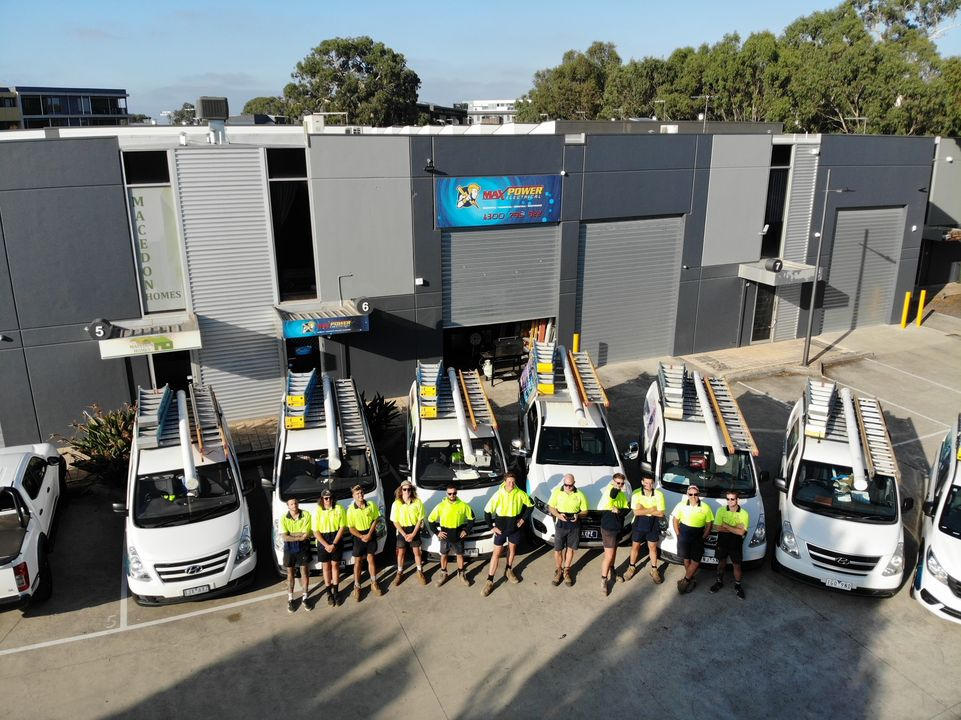
Get a free quote from Max Power Electrical.
We’ll explain the current rebates, recommend the right system for your home and help you start saving this winter.
Phone: 1300 795 922
Website: maxpowerelectrical.com.au/contact-us
Disclaimer
Rebate figures are indicative as of June 2026. VEU discounts vary with VEEC prices. Solar Homes income thresholds change from 1 July 2026. Federal battery incentives will be reduced every six months starting in May 2026. Always confirm current rebate values with your accredited installer before proceeding.


