
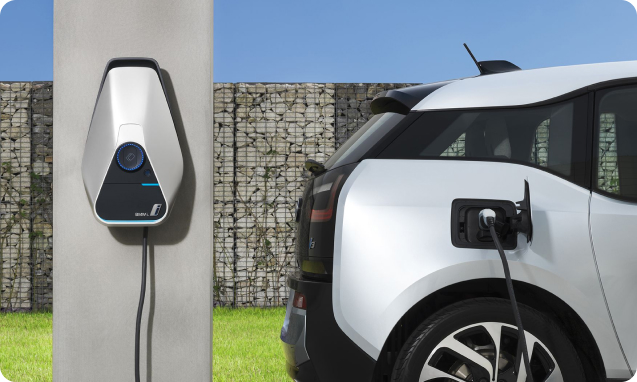
Australian homeowners now see EV charger installation as a must-have feature. The numbers tell an impressive story – EV sales jumped 121% from 20,655 in 2022 to 46,624 in 2023. Many homeowners want to set up charging solutions at home, but don’t know where to start.
Home EV charging comes with several options. Level 1 chargers plug into regular household outlets and deliver 2.4 to 3.7kW per hour at 10 to 15 amps. These work well for overnight charging. Level 2 chargers require a dedicated 240V supply and charge your car significantly faster than wall sockets. DC Fast Charging (Level 3) stands out as the speediest option. These chargers can power up most EVs to 80% in just 30 minutes. You’ll mostly find these at public stations rather than homes.
Setting up home EV charging needs careful planning. Not every electrician can handle this specialised job. The safe installation of EV chargers that meets national standards requires specific training and certification. Your home’s electrical setup may also require switchboard upgrades to accommodate your preferred charging option.
This piece will guide you through the essential steps to hire the right electrician for your EV charger installation. We’ll cover everything from checking your home’s electrical capacity to breaking down costs and available incentives.
Is your home ready for EV charging?
Your home’s ability to support charging is the first thing to assess before buying an EV. Australian data shows that people charge their EVs at home 80% of the time. Getting your property ready for this additional power requirement is a vital first step.
Checking your current electrical setup
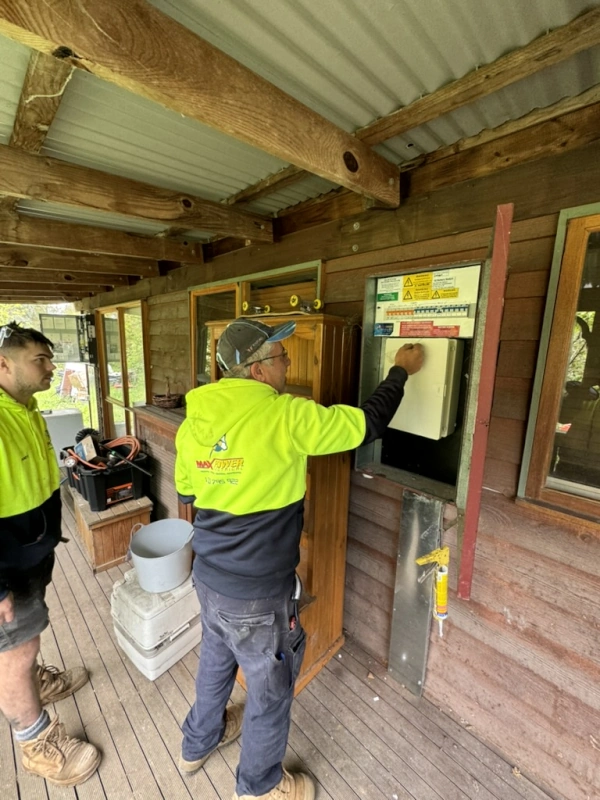
The biggest power consumer in your home will likely be your EV charger. It needs its own dedicated circuit. Many older homes have outdated wiring systems that might need upgrades. You should get a licensed electrician to assess:
- Your switchboard’s capacity and potential upgrade needs
- The ability of existing wiring to handle extra load
- Power phase availability – single or three-phase (check your main switch width)
A proper assessment will give a safe and optimised charging setup. Your system could face fire or electrocution risks without enough capacity.
Do you have off-street parking or a garage?
Home EV charging works best with off-street parking. Public charging networks become your main option without off-street parking access. Garage or driveway owners should think about:
The installation cost impact based on the distance between the fuse box and the charger location, Weather protection needs for outdoor charging points, and your vehicle’s charging port location compared to the usual parking position
Understanding your daily driving and charging needs
Australians drive about 38km daily on average. Most EV owners don’t need daily recharging. Research indicates that 56% of EVs come home with 60% or more charge during overnight parking.
Cars typically stay parked at home for 14 hours – four times longer than needed for a full charge. This gives you plenty of flexibility with charging schedules.
Your regular driving distance and your vehicle’s battery capacity determine your charging requirements. Slower charging options work well for daily commutes. Faster charging becomes vital if you drive long distances regularly.
How to choose the right home EV charger
You need to think over several factors when picking the right EV charger for your home. Check if your property can support charging first. Then you can choose the equipment that matches your needs.
Compatibility with your EV model
Most new electric vehicles in Australia use the Type 2 connector for AC charging. A charger with a Type 2 socket or tethered cable will work with most EVs. The Combined Charging System 2 (CCS2) has become the standard for DC fast charging in newer models. Japanese vehicles still use CHAdeMO plugs.
You can’t connect a CCS2 plug to a CHAdeMO socket without an adapter. Check your vehicle’s charging port type before you buy any charging equipment. But don’t worry if this all sounds like another language! We will let you know what you need and make sure the EV charger is installed safely and correctly.
Charging speed vs cost trade-offs
Level 1 chargers connect to standard 240V outlets and deliver around 1.2 kW. This adds about 6.5 kilometres of range per hour. Level 2 chargers use dedicated 240V circuits and deliver between 7 and 22 kW. These can provide up to 48 kilometres of range per hour.
Your EV will fully charge in 3-8 hours with a Level 2 charger. Level 1 chargers take 11-20 hours. Level 2 options need professional installation. They cost more upfront but perform better.
Smart features: scheduling, monitoring, and solar use

Today’s smart chargers do more than simple charging. Their scheduling features let you charge during off-peak hours to cut electricity costs. You can check the charging status from anywhere through companion apps.
Some chargers can merge with your home’s solar panel system. This lets you charge using extra solar power. The “solar tracking” feature changes charging rates based on available solar energy. You’ll use more free electricity this way.
Smart chargers also support load balancing. This feature adjusts charging speed when other appliances run, which prevents your home’s electrical supply from overloading. Your home’s energy use stays efficient.
Talk to a qualified electrician who knows EV charging systems. They’ll help you find the best option for your needs.
Hiring the right electrician for the job

Professional expertise is essential to install an EV charger at home. EV charging systems need specialised knowledge that goes beyond standard electrical work – knowledge that not all electricians have.
Why you need a licensed EV installer
Safety should be your top priority when installing an EV charger. Professional installers give you a full picture through load evaluation, proper grounding, and dedicated circuit installation. Poor installation could void your EV charger warranty and your home insurance coverage. Australian law requires a licensed electrician to install your EV charger to meet national regulations.
Questions to ask before hiring
Here are some key questions to ask when choosing the right professional:
- “Are you licensed specifically for EV charger installation?” (verify their electrical contractor licence)
- “Can you provide examples of previous installations?”
- “What warranties do you offer on both parts and workmanship?”
- “Do you handle permits and compliance certifications?”
- “Will you provide ongoing support after installation?”
You should also check if they’re certified by relevant bodies like the Clean Energy Council or manufacturer-certified by companies like Tesla. Max Power is certified by the Clean Energy Council.
What a professional quote should include
A detailed quote needs to cover:
- Complete installation costs
- Any needed electrical upgrades to your home’s system
- Timeline for completion
- Details of permits and compliance documentation
- Warranty information for both equipment and installation work
- Ongoing maintenance options
Getting a qualified electrician to set up your home EV charging gives you peace of mind and safety for years to come.
Conclusion
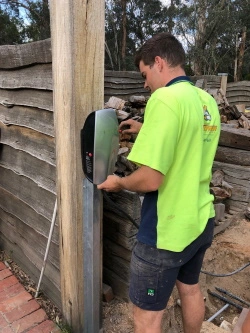
Setting up an EV charger at home makes sustainable transportation easier and adds convenience to your daily routine. A licensed professional must check your home’s electrical system before installation begins. Working with someone who knows EV charging requirements ensures safety and the best performance. Professional installation might cost more than DIY options, but it protects your warranty and insurance coverage, giving you peace of mind.
Smart chargers do much more than simple charging. These chargers work with solar panels to cut down electricity costs. Load balancing in modern units stops circuit overloads and makes your electrical system run better.


